WirepolicyDextape brief
SEC Says $130 Million Crypto Scheme Used the Agency’s Own Databases to Look Registered
The agency's complaint says BG Wealth and DSJ Exchange pointed investors to their own SEC filings and to fake certificates bearing its seal, then blocked withdrawals and demanded a "tax" to unlock accounts.
Dextape brief
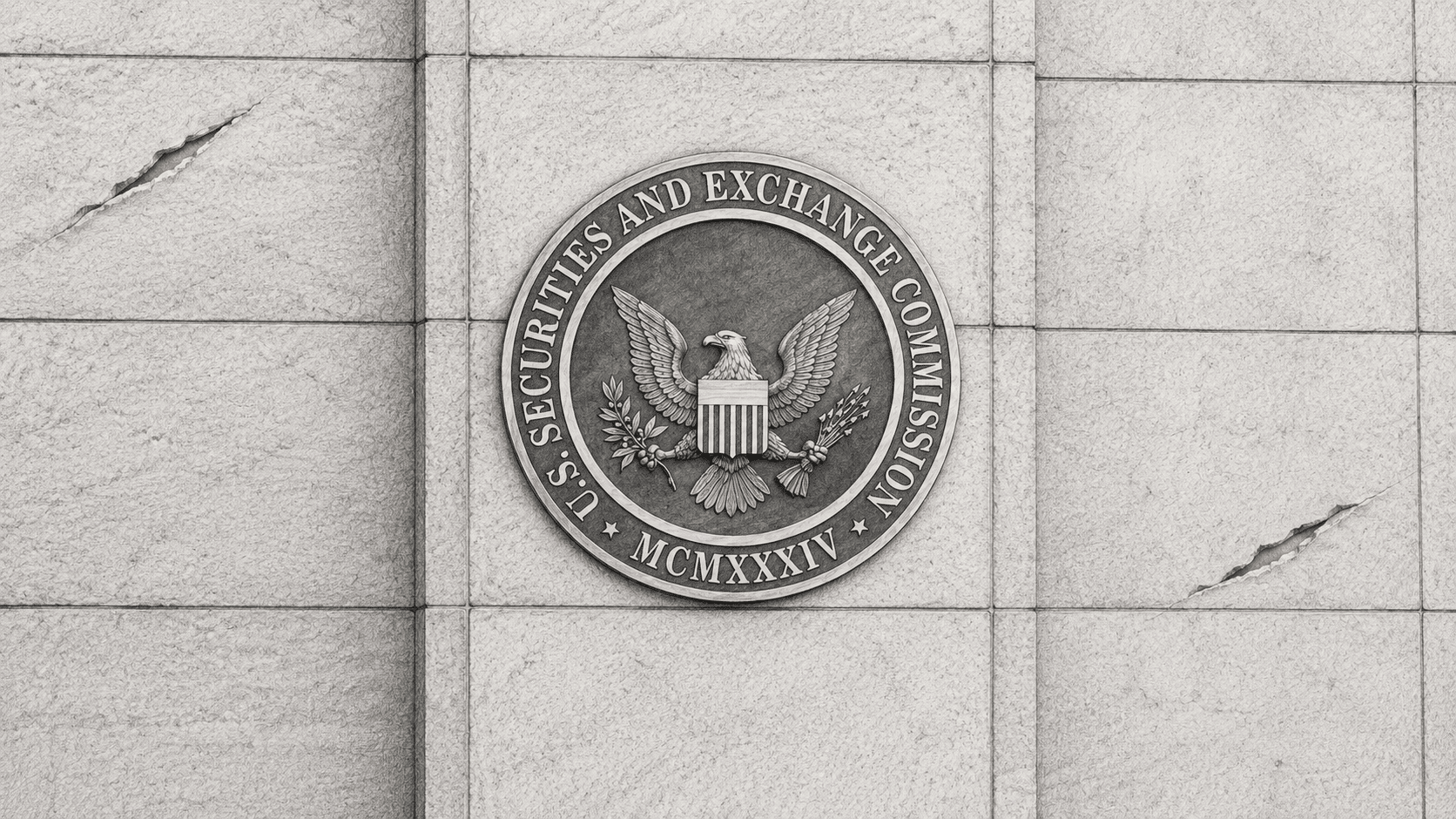
The Securities and Exchange Commission has sued BG Wealth Sharing and DSJ Exchange, two Colorado-incorporated firms, accusing them of using public agency filings and counterfeit seal-stamped certificates to persuade retail investors that a crypto trading program was government-approved. The federal complaint, filed in Northern California, says the firms collected over $130 million across more than 223,000 wallet addresses during a period starting in March 2026 and ending in mid-June, averaging about $580 each by Unchained's math. According to the agency, investor losses top $100 million, and no more than $25 million flowed back to addresses probably linked to investors as Ponzi-style payouts. The SEC also says the firms sought to appear registered, and it seeks injunctions, disgorgement, civil penalties and a bar on further adviser filings by BG Wealth.
Why it matters: Fake registration claims built on public regulatory filings show how scammers can borrow the look of government approval to target retail crypto investors.
Read the full story